
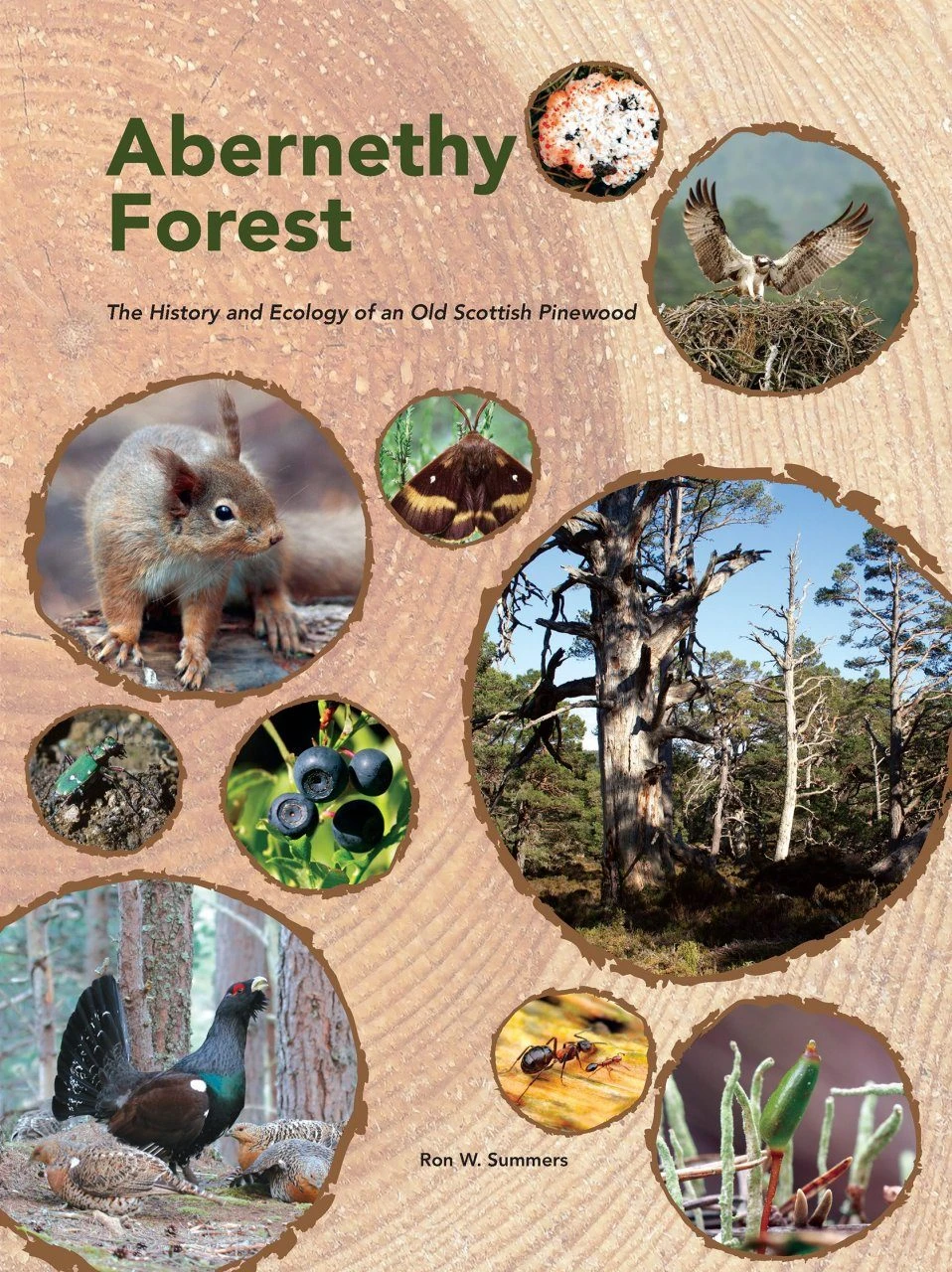
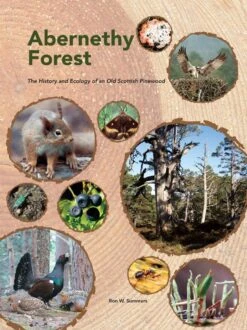
Abernethy Forest
Original price was: £29.99.£20.99Current price is: £20.99.
- The home of quality products.
- Service that stands out, online and always timely.
- Quality products, fair prices.
- Top Quality Products

About this book
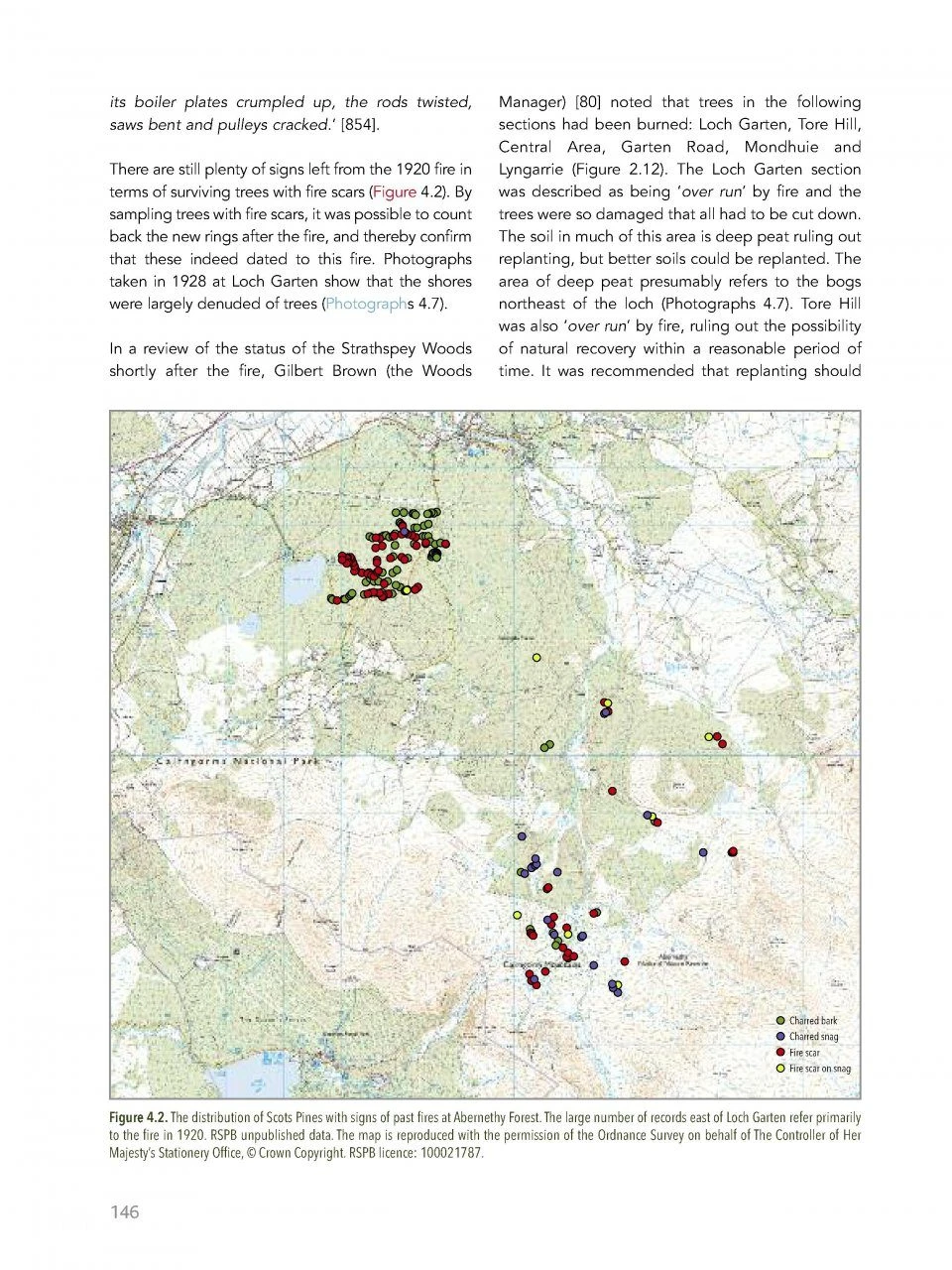
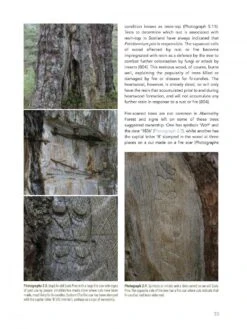
Abernethy Forest is a nature reserve managed by the Royal Society for the Protection of Birds in the central Highlands of Scotland, bordering Cairngorms National Park. The trees in this wood are one of the few remaining examples of Caledonian pinewood that are lineal descendants of an ancient forest that once spread across Highland Scotland with veteran trees dating back to the 1600s. This forest is as close as one can get to natural woodland in Britain. Since the Bronze or Iron Age, the forest has been used by people for hunting, exploitation of timber, farming and now nature conservation.
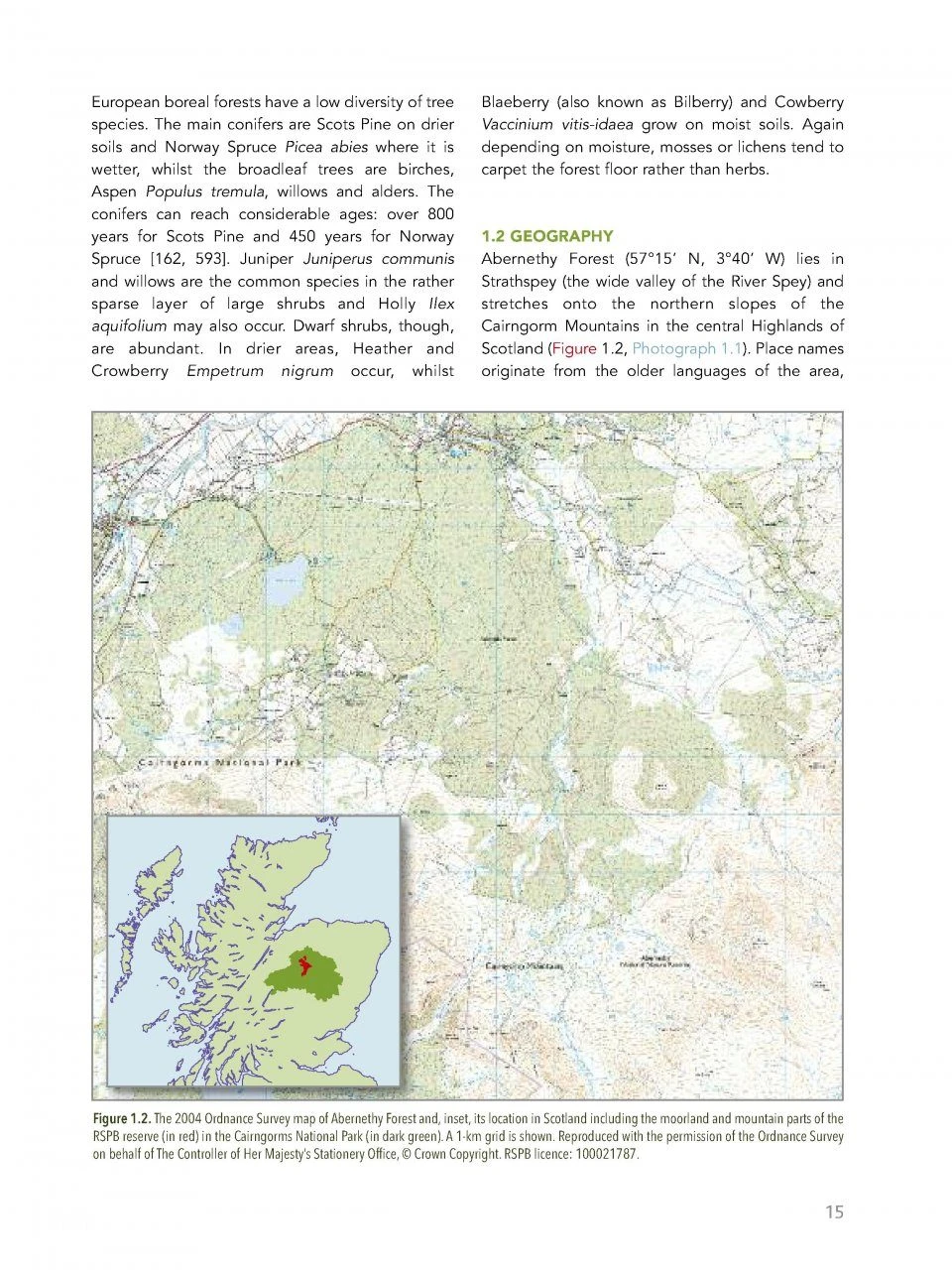
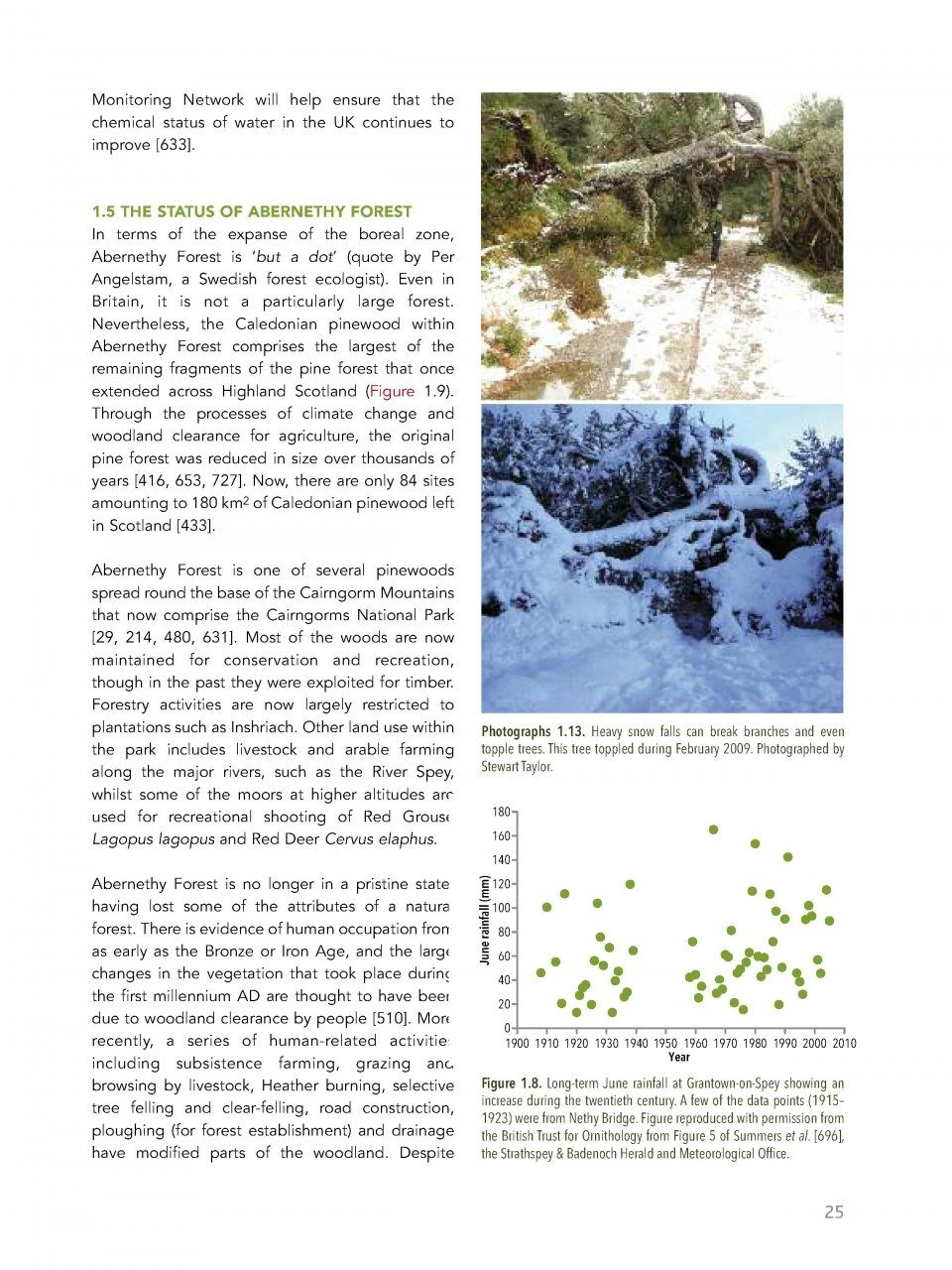
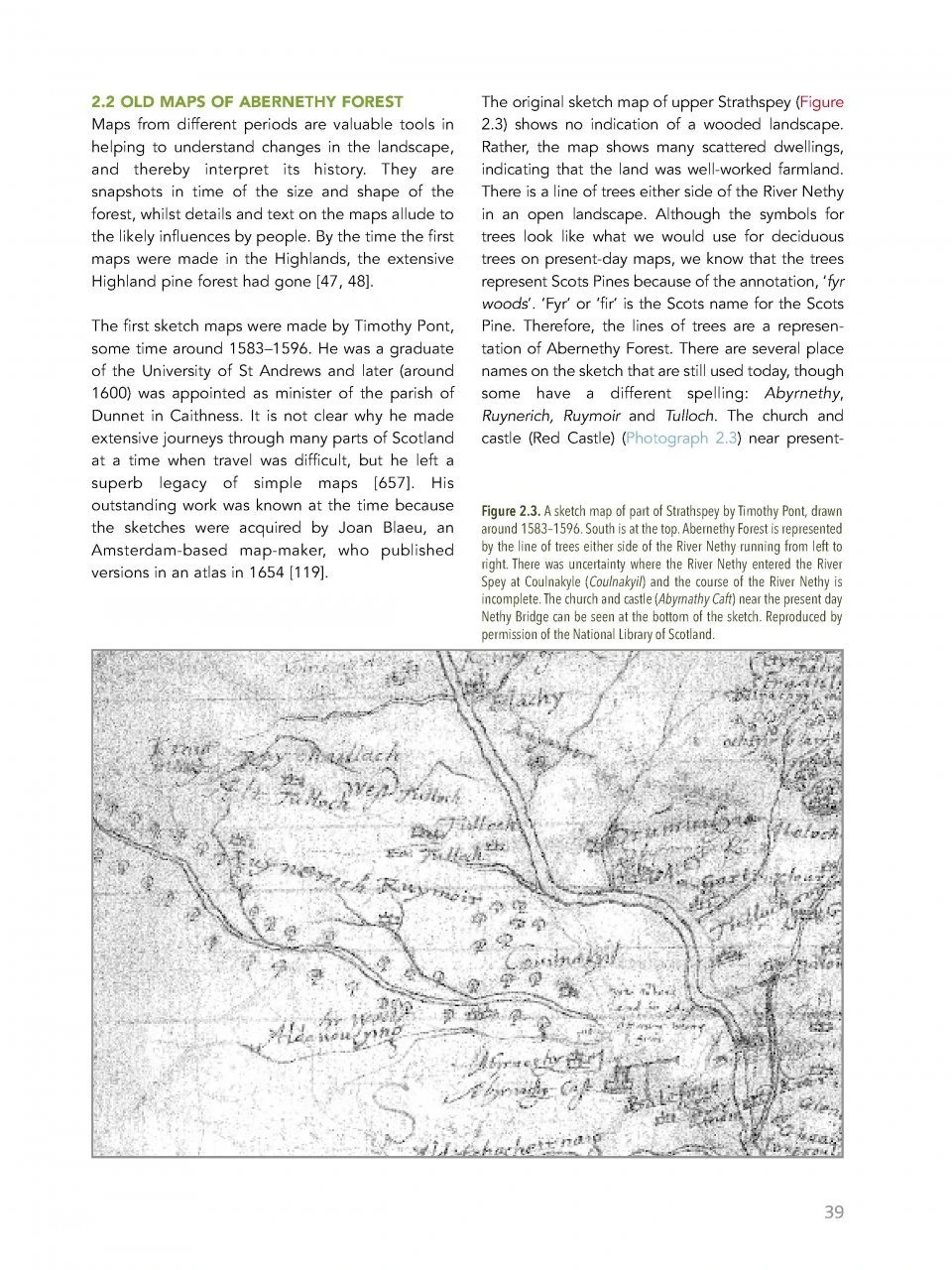
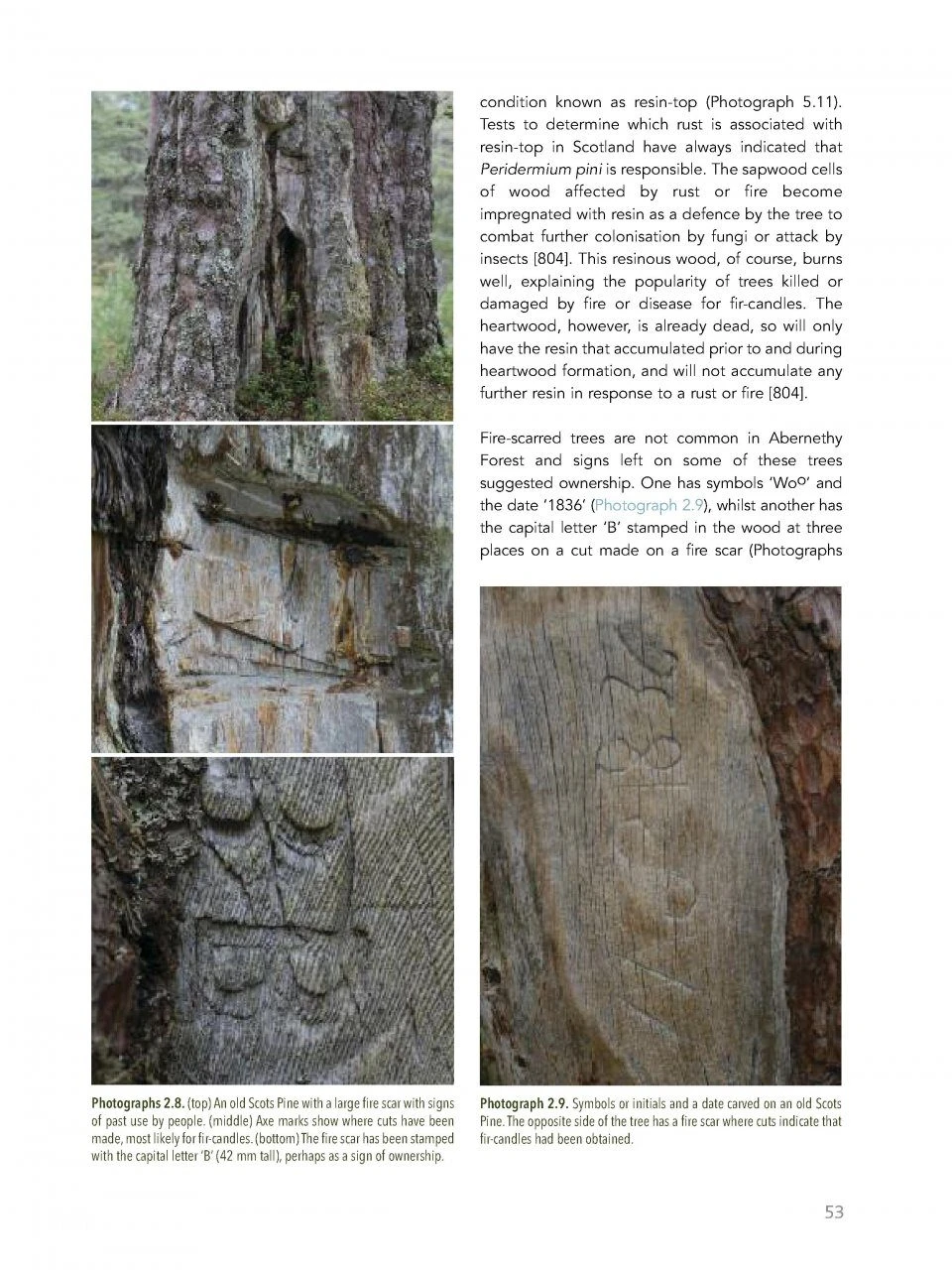
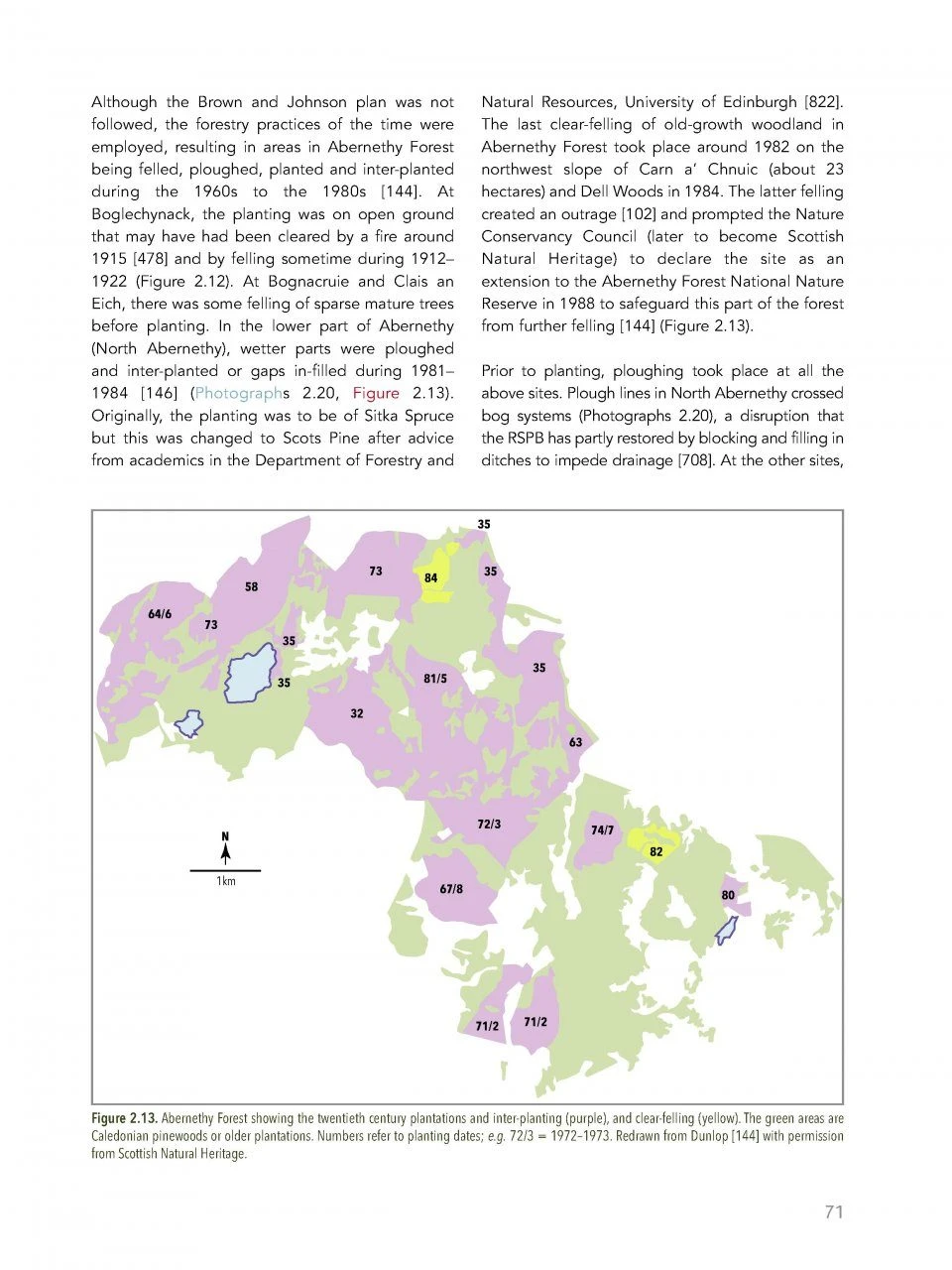
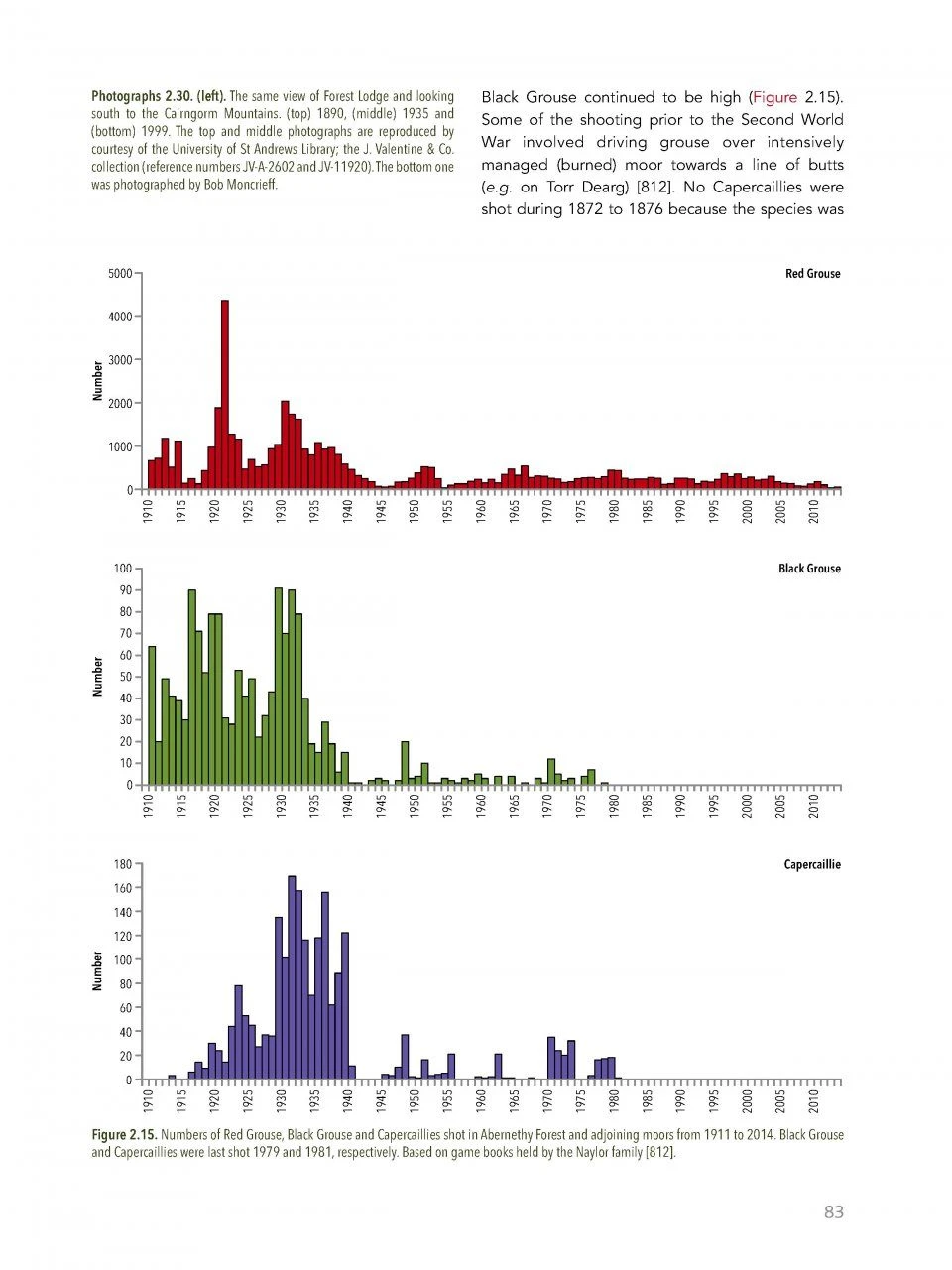
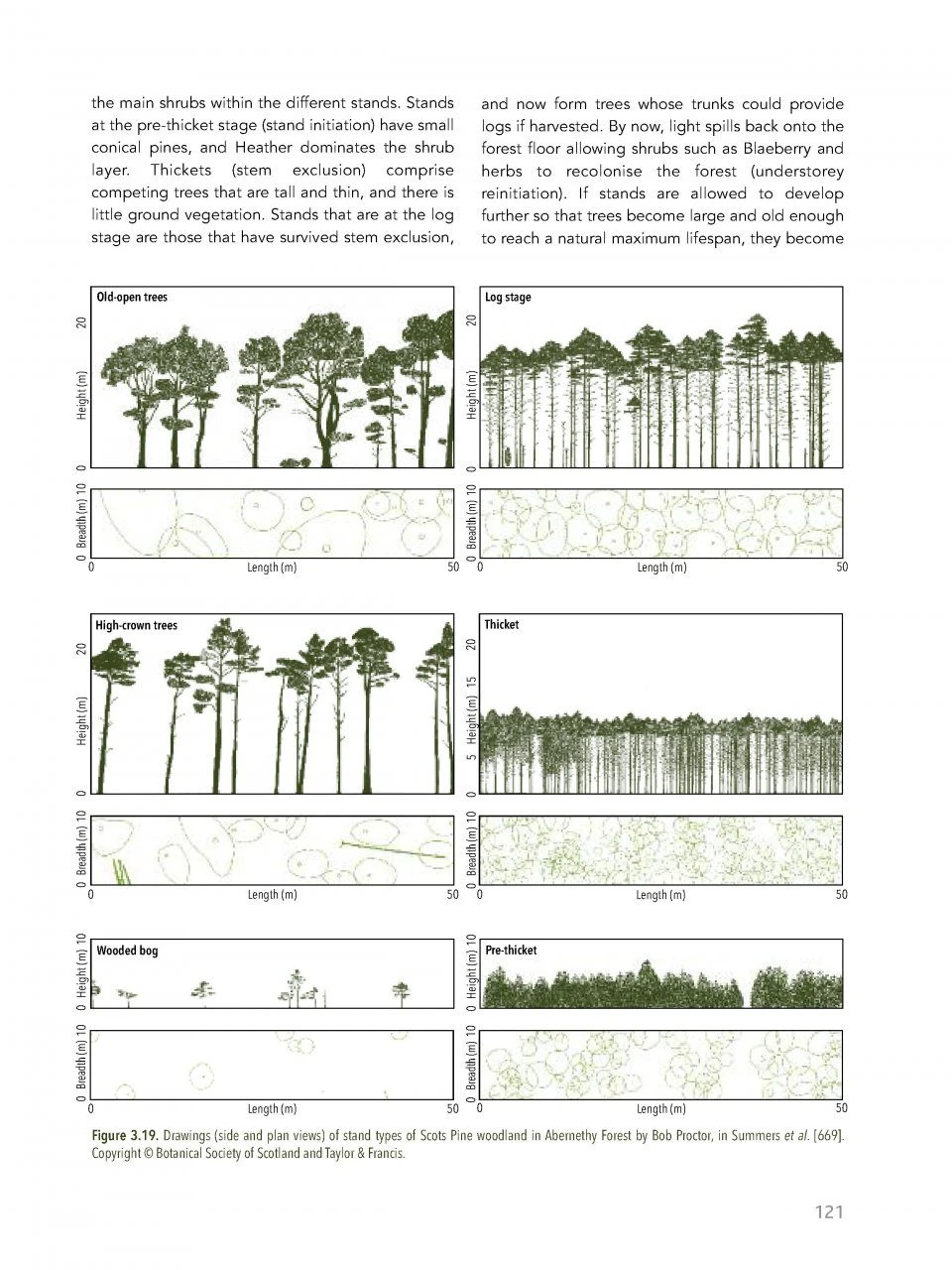
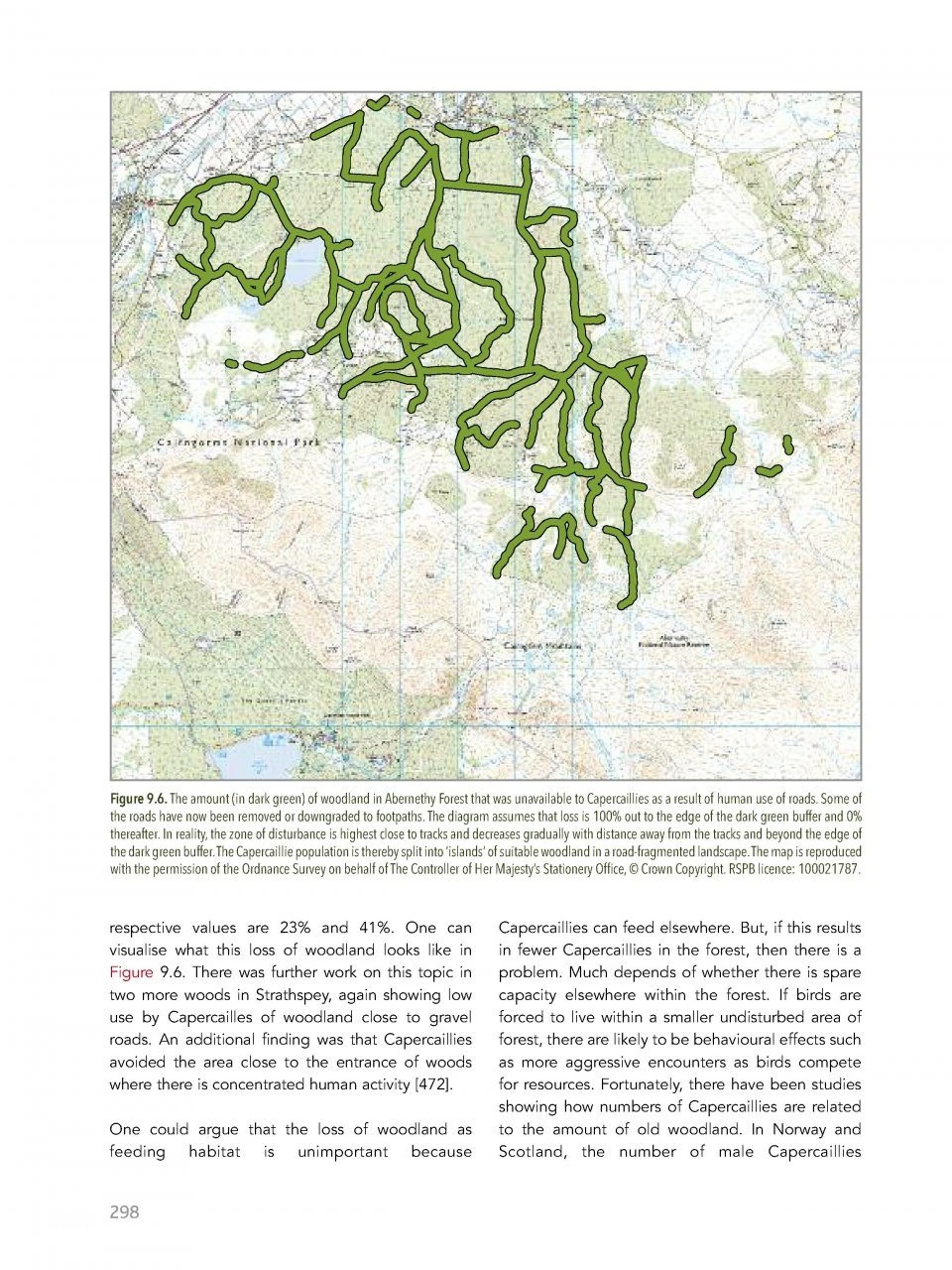
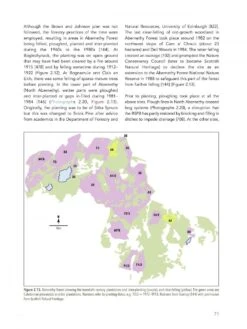
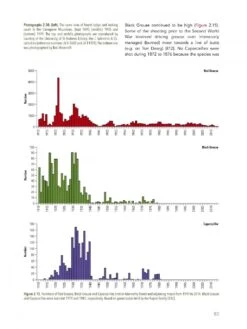
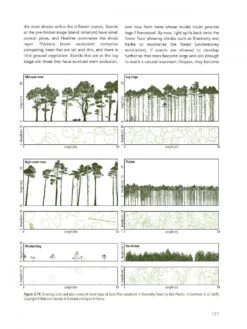
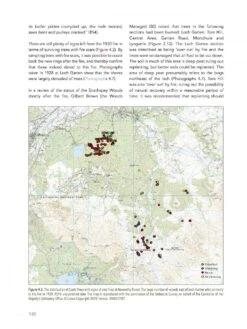
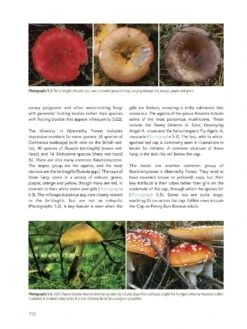
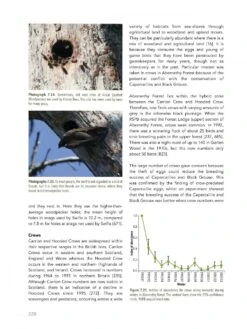
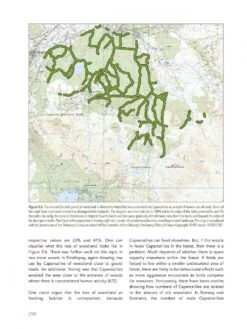
Published by the Centre for Conservation Science of the RSPB, Abernethy Forest: The History and Ecology of an Old Scottish Pinewood is an in-depth account of this forest, richly illustrated with period and contemporary photographs, as well as graphs and maps. The book opens with a description of the physical geography and history of the forest, covering both the changes caused by people and the natural processes that have shaped the forest.
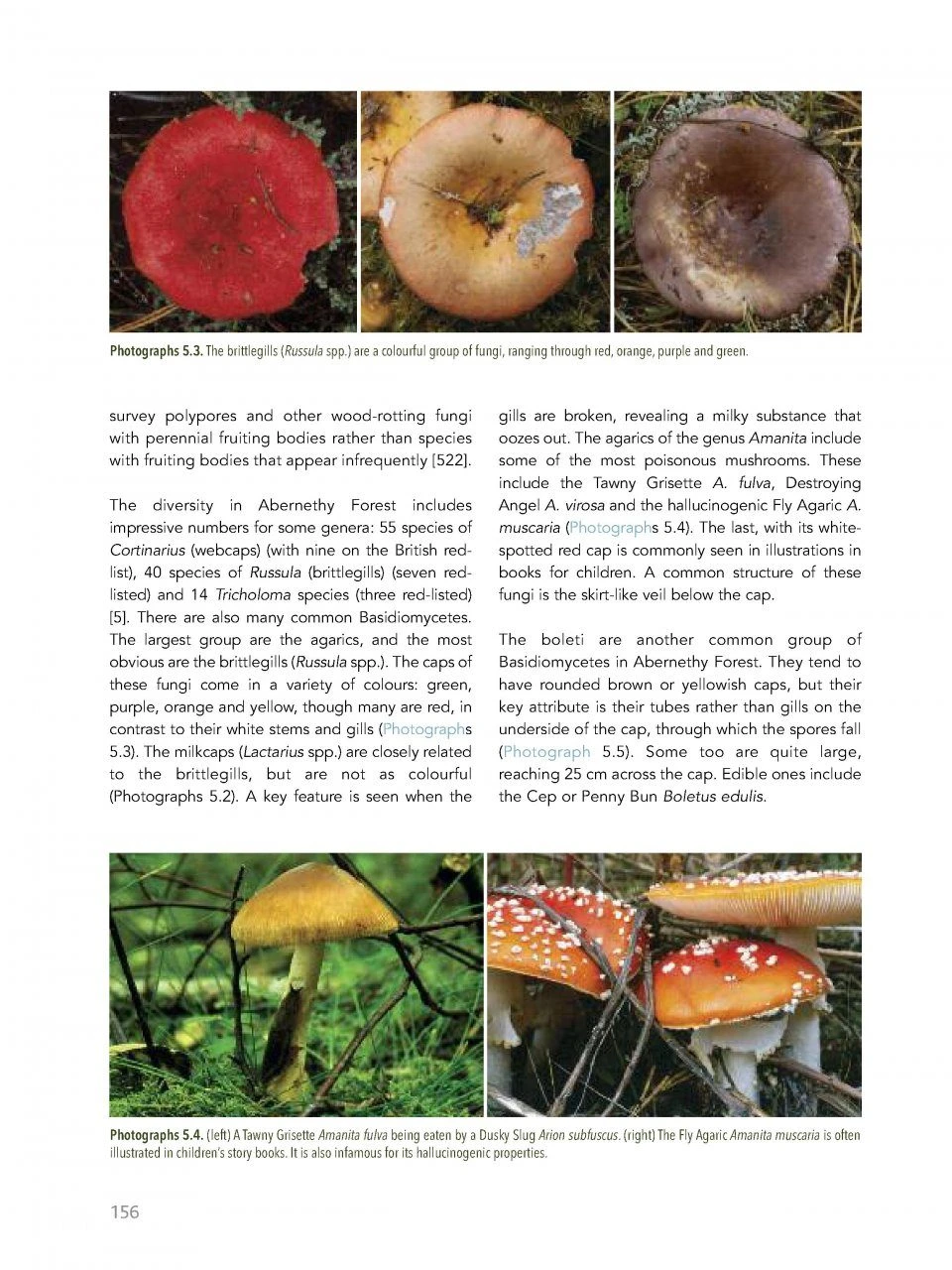
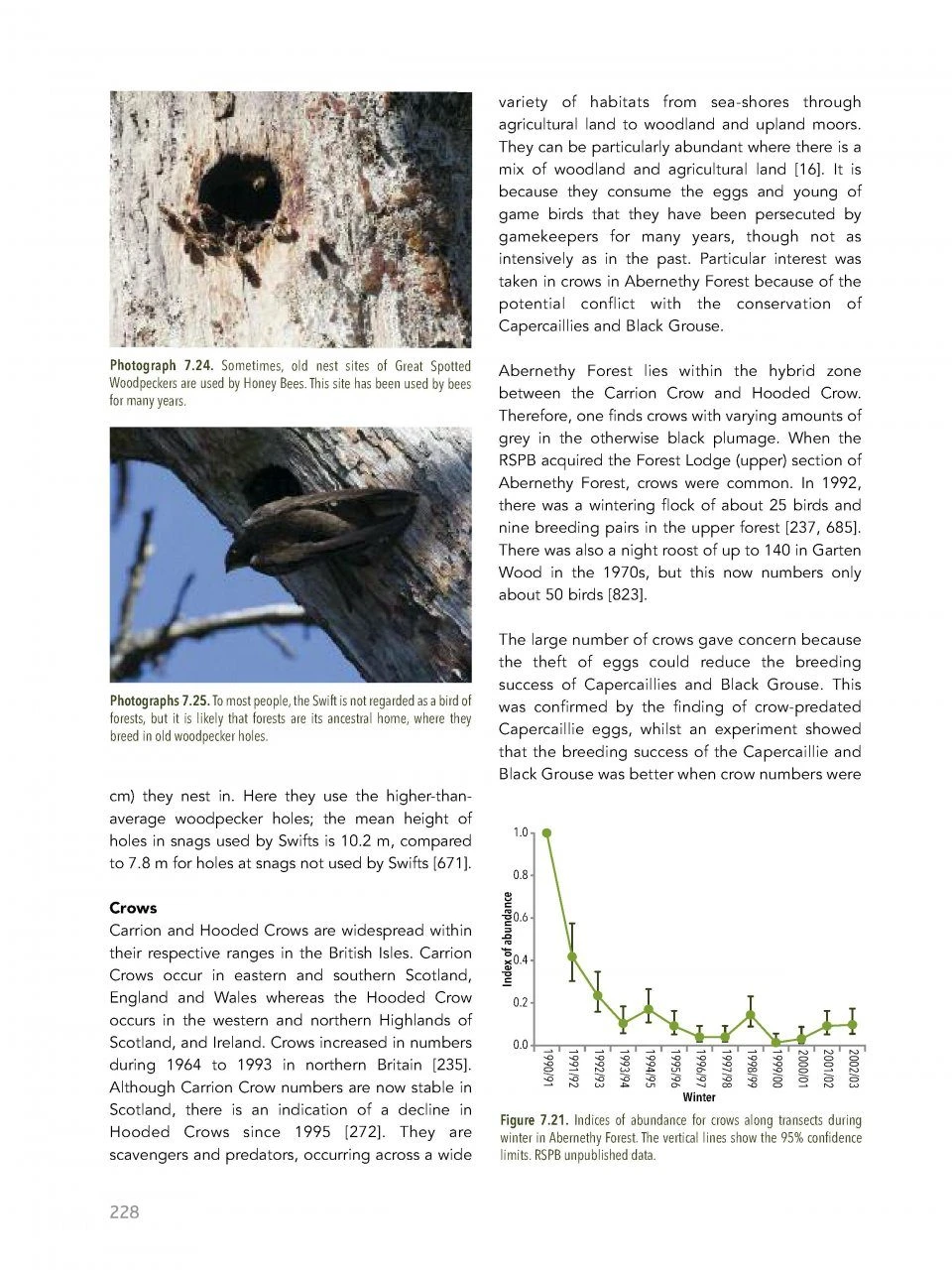
These processes provide an environment for an astonishing diversity of wildlife, with over 3,800 species of plants, fungi and animals, some of which is not found in such abundance elsewhere in the UK. The bulk of the book is dedicated to describing this rich and diverse wildlife, including sections on the invertebrates and fungi and lichens found here.
Comparisons are drawn with near-natural and natural forests in continental Europe, revealing the conservation measures that need to be taken to restore lost features in an attempt to create a present-natural forest that extends to a natural treeline. Attention is also paid to the role of fire and controlled burning.
Eight appendices give species names, Scottish place names, chemistry of local lochs, a list of coldest and warmest summers, locations of archaeological features, 19th century national census data when farmsteads in the forest were occupied, ecological methods employed, and a glossary.
Contents
Foreword
1. Introduction
1.1 Boreal forests
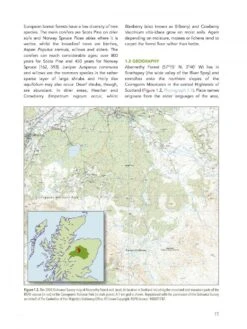
1.2 Geography
1.3 Rocks and soils
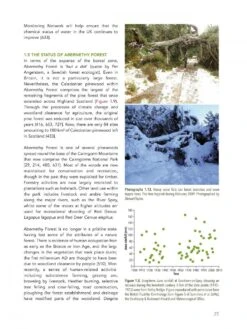
1.4 Climate
Acid rain
1.5 The status of Abernethy Forest
Definitions
2. The history of the forest
2.1 Colonisation by trees
Vegetation changes during the Holocene
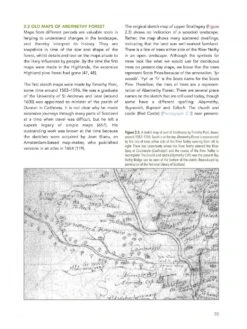
2.2 Old maps of Abernethy Forest
2.3 The owners
2.4 Woodland use since medieval times
Local use
Wider commercial exploitation
2.5 Farming
2.6 Hunting and game management
2.7 Summary
3. Plants
3.1 Plant communities
3.2 Mosses and liverworts
3.3 Ferns
3.4 Herbs
3.5 Shrubs
Heather
Blaeberry
Cowberry
Juniper
3.6 Trees
Scots Pine
The forest structure
Broadleaf trees
3.7 Summary
4. Fire
4.1 Fire ecology
4.2 Fire and animals
4.3 Fires at Abernethy Forest
4.4 Fire experiments at Abernethy Forest
4.5 Summary
5. Fungi and lichens
5.1 Fungi
Fungal diversity
The effect of cutting and burning the shrub layer
The role of fungi in the food web
5.2 Lichens
5.3 Summary
6. Invertebrates
6.1 Molluscs
6.2 Millipedes and centipedes
6.3 Spiders, harvestmen and ticks
6.4 Insects
Dragonflies and damselflies
Butterflies and moths
Bugs
Flies
Bees, wasps and ants
Beetles
6.5 Soil invertebrates
6.6 Deadwood invertebrates
6.7 Summary
7. Vertebrates
7.1 Fish
7.2 Amphibians and reptiles
7.3 Birds
The bird community
Capercaillie
Black Grouse
Crested Tit
Crossbills
Great Spotted Woodpecker
Crows
Woodcock
Bullfinch
Redstart and Tree Pipit
Osprey
Goldeneye
Summary for birds
7.4 Mammals
Deer
Experiments with cattle
Red Fox
Wildcat
Pine Marten
Other mustelids
Bats
Red Squirrel
Small mammals
Summary for mammals
8. Abernethy Forest in context
8.1 A Scottish context
Comparisons with other Caledonian pinewoods
Comparisons with plantations
8.2 A boreal forest context
Fire and other disturbances
Tree species, sizes and ages
Deadwood
Forest size
8.3 Summary
9. Conservation management
9.1 Introduction
A changing attitude
Statutory protection
Conservation on the ground
9.2 Biodiversity
Old trees
Deadwood
Broadleaf trees
Reintroducing extinct animals
Shrub layer management
9.3 Reversing soil damage
9.4 Forest fragmentation
Woodland size
Isolation
Edge effects
Internal fragmentation
Reducing fragmentation
9.5 Forest fences
9.6 Human disturbance
9.7 The cultural significance of Abernethy Forest
9.8 Climate change
9.9 Research and management
Habitat management
Wildlife management
9.10 Final thoughts on Caledonian pinewoods
References
Appendices
1 Common and scientific names of species
2 Place names
3 Loch chemistry
4 The coldest and warmest summers
5 Locations of archaeological features
6 Ten-year national censuses
7 Methods in forest ecology
8 Glossary
Biography of the author
Index
| Select | Hardback, Jun 2018 |
|---|
Be the first to review “Abernethy Forest”
Related products





Reviews
There are no reviews yet.